The Paper Is Not the Promise: Verifying Subcontractor Insurance Before the Crew Shows Up
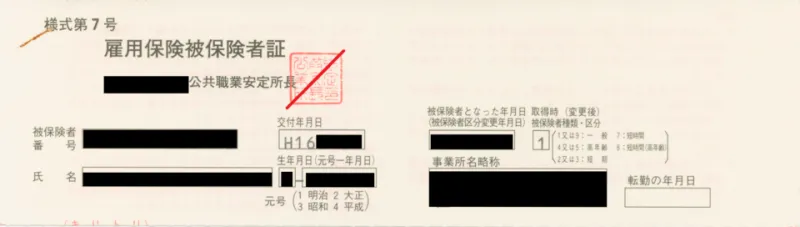
Photo: Y.T, Public domain, via Wikimedia Commons
Certificates of insurance arrive by email, usually as a single-page PDF forwarded late on a Friday, and they are almost always accepted at face value. The file lands in a vendor folder, the schedule holds, and the work begins Monday. Months later, when a subcontracted crew drops a pallet through a client's ceiling tile grid, someone opens that PDF again and reads the sentence printed in small type near the top: the certificate is issued for information only and confers no rights on the holder.
That distance between what a certificate appears to prove and what it actually establishes is among the most dependable sources of uninsured claims in small-business subcontracting. Closing it does not require an insurance license. It requires a routine, executed the same way every time a new vendor is onboarded.
What the ACORD Form Really Says
The one-page certificate most US firms receive is an ACORD 25. It summarizes coverage that a broker has recorded in its system on a given date. It is not the policy. It does not amend the policy. It does not create a contract between the subcontractor's insurer and your company, and if the broker mistypes a limit or a date, the insurer's obligation is governed by the policy language, not by the typo.
Treat the certificate as an index — a pointer to documents you will need to request separately. The endorsement pages behind it are the substance.
The Four Items That Decide Whether You Are Covered
Most small firms check two things: the general liability limit and the expiration date. Four other items carry more weight when a claim arrives.
Additional insured status, and how it is granted. A blanket additional insured endorsement covers a class of entities described in the subcontract; a scheduled endorsement names your company specifically. Blanket forms are common and usually adequate, but some are narrowed to ongoing operations only, which can leave you exposed for completed-operations claims that surface a year after the job closes. Ask for the endorsement form number and read the title.
Primary and non-contributory wording. Without it, your own liability policy may be asked to share the loss alongside the subcontractor's, which consumes your limits and your deductible.
Waiver of subrogation. This prevents the subcontractor's carrier from paying a claim and then pursuing your company to recover it. It appears as its own endorsement and is frequently promised in a contract while missing from the policy.
Notice of cancellation. Many certificates carry the phrase that the insurer will endeavor to notify the holder of cancellation — an aspiration, not an obligation. If your subcontract requires ten or thirty days' written notice of cancellation, that requirement has to exist on the policy itself, usually by endorsement.
Verify With the Carrier, Not the Forwarded File
A subcontractor can produce any document. The carrier's own verification desk is the control. Most commercial insurers maintain an agent-of-record or policy-verification unit that will confirm, by phone or email, the named insured, policy numbers, effective dates, limits, and whether specific endorsements are attached.
Before calling, confirm that the named insured matches the legal entity on the W-9 and the signed agreement — not the trade name on the truck. A certificate in the name of a dissolved LLC or a sole proprietor's personal name is a common and quiet failure. Then ask three questions in writing:
- Is our company listed as an additional insured, and under which endorsement form?
- Does the policy include a waiver of subrogation in our favor and primary and non-contributory language?
- Will the carrier provide notice of cancellation or non-renewal, and by what mechanism?
Request the endorsement pages as attachments. A broker's email reply stating that coverage "is in place" is helpful color but weak evidence; the form number and the policy number are what an adjuster will look for.
Where Subcontractor Files Typically Leak
- Workers' compensation assumptions. In Texas and other states where owners may elect out of coverage, a sole proprietor's certificate can show a general liability policy and nothing else. If that person is injured on your site, the question of who employs them becomes expensive.
- Claims-made professional liability. Design, consulting, and IT subcontractors often carry errors-and-omissions coverage on a claims-made basis. A policy in force today may not respond to a claim filed after the term ends unless an extended reporting period was purchased. Ask whether a tail exists and how long it runs.
- Hired and non-owned auto. A subcontractor driving a personal truck to your job site is generally outside a commercial auto policy unless hired and non-owned coverage is scheduled.
- Umbrella policies sitting over exclusions. A two-million-dollar umbrella is only as broad as the underlying policy. If the primary excludes the work being performed, the umbrella may inherit the exclusion.
- Mid-term erosion. Per-occurrence limits, general aggregates, and per-project aggregates are three different numbers. Ask which is which.
Build the Renewal Calendar Before the First Invoice
Insurance verification is not a one-time onboarding step, because policies expire on their own schedule. A practical calendar runs on three dates per vendor: sixty days before expiration for a renewal request, fifteen days before for escalation to the relationship owner, and the effective date as a hard stop on new work assignments.
Record in the vendor file the policy numbers, carrier names, endorsement form numbers, current limits, and the date the carrier last confirmed coverage in writing. When a subcontractor changes brokers mid-year, that confirmation is stale even if the certificate looks identical.
One further point deserves attention: contractual indemnity is not insurance. A well-drafted indemnification clause shifts responsibility on paper, but it is only as collectible as the counterparty's balance sheet. Insurance is what converts a promise into funding. The two belong together, and neither substitutes for the other.
None of this is administrative decoration. It is the difference between a claim handled by an insurer and a claim handled by your own reserves — and it takes less time to run than the average project kickoff meeting.